Items
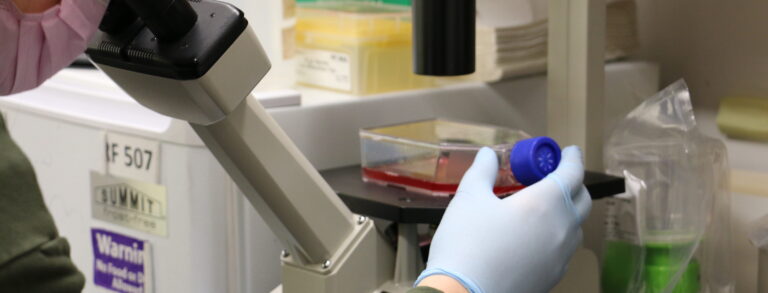
Hematology & Oncology
Transforming care for childhood cancer and blood disorders through discovery and innovation
Building on a legacy of scientific leadership, we provide comprehensive, family-centered care for pediatric hematology and oncology patients. Our team advances treatment through groundbreaking research, collaborative clinical trials and fellowship programs that prepare future leaders to improve outcomes and quality of life.

Hematology & Oncology Fellowship
Division of Hematology & Oncology
Providing a comprehensive clinical curriculum across the full scope of the specialty, this three-year ACGME-accredited training program also offers an individualized track in clinical or basic science investigation. Fellows may pursue additional training beyond the three-year curriculum to deepen clinical sub-specialization or advance research endeavors.
Higher Education Recruitment Consortium (HERC) Jobs
Connecting talent with higher education careers
Helping job seekers and institutions thrive, HERCJobs.org provides a collaborative network for faculty, staff and administrative positions in higher education. With resources for dual-career couples, diversity hiring and professional development, the platform supports equitable recruitment and career advancement across colleges and universities.
Holtz Lab
Lori R. Holtz, MD
Division of Gastroenterology, Hepatology & Nutrition
Uncovering early-life viral and bacterial interactions, our laboratory investigates how microbial communities in the infant gut shape health and disease. Combining epidemiology, bioinformatics and molecular virology, we study the evolution of gut viruses, their interplay with bacteria and their role in conditions such as celiac disease. By advancing understanding of these complex dynamics, we aim to improve pediatric health and long-term outcomes.
Horani Lab
Amjad Horani, MD
Division of Allergy & Pulmonary Medicine
Investigating genetic impacts on cilia function to combat airway diseases, our laboratory examines how mutations disrupt the biology of airway and motile cilia, impairing mucociliary clearance and driving conditions such as primary ciliary dyskinesia, asthma and COPD. Using primary human and mouse cell cultures with advanced genetic manipulation, we study airway epithelial differentiation and ciliogenesis to uncover the roles of novel proteins and develop strategies to restore cilia function and protect respiratory health.
Hospice & Palliative Medicine Fellowship
Department of Medicine: Division of Palliative Medicine
Promoting excellence in hospice and palliative medicine education and clinical care, this one-year ACGME-accredited program aims to develop future leaders in the field and ensure that patients with life-limiting illnesses receive informed, professional and compassionate care.
Hospital Medicine
Providing expert hospital-based care across the region our pediatric hospitalists deliver comprehensive services at St. Louis Children’s Hospital and affiliated hospitals. From inpatient care and newborn services to emergency coverage and sedation for procedures, we combine advanced clinical expertise with a commitment to teaching and family-centered care.
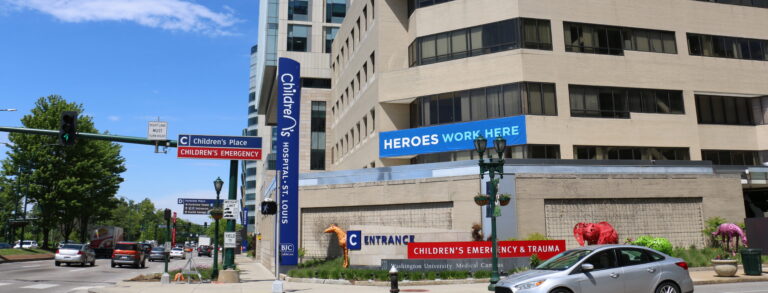
Hospital Medicine
Delivering continuous, high-quality care for hospitalized children
Providing expert, family-centered care from admission to discharge, we ensure the safety and well-being of children during hospitalization. Our team combines clinical excellence with research-driven practices and fellowship training to advance patient outcomes and prepare future leaders in pediatric hospital medicine.
Hospitalist Medicine Fellowship
Division of Hospital Medicine
Developing expertise in neonatal and pediatric emergency and inpatient care, this two-year program equips fellows with skills in procedural sedation, circumcision, transport medicine and airway management.
Hruska Lab
Keith A. Hruska, MD
Division of Nephrology, Hypertension & Pheresis
Exploring the causes and cardiovascular impacts of CKD-MBD our lab focuses on uncovering the mechanisms behind chronic kidney disease-mineral and bone disorder. Kidney disease leads to complications throughout the body many of which influence mortality rates. Rather than the kidney disease itself most deaths occur due to associated cardiovascular issues. The risk of cardiovascular disease in chronic kidney disease is shaped by unique factors related to CKD-MBD and understanding these relationships is central to our research.