Items
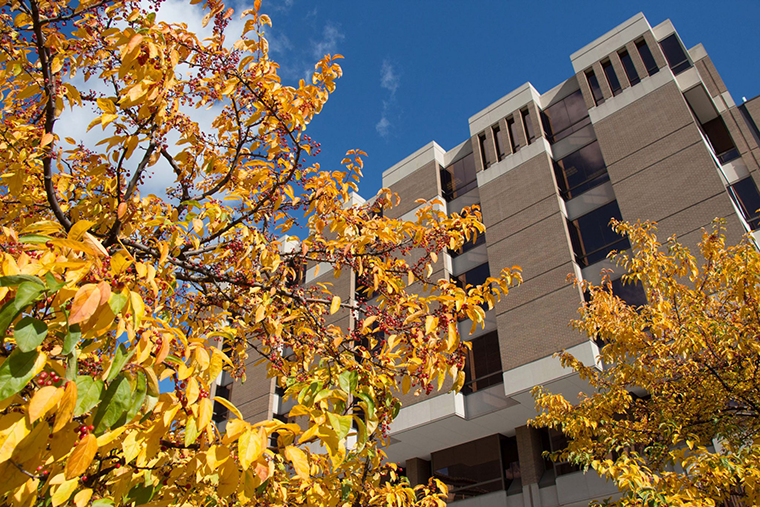
Bernard Becker Medical Library
The Bernard Becker Medical Library provides essential information resources and technology to support the educational, research, and patient-care missions of the School of Medicine. It serves the medical school, Barnes-Jewish Hospital and St. Louis Children’s Hospital.
The library’s holdings include physical and digital books, journals, and databases—many accessible remotely. A team of 50 staff members, including librarians and IT specialists, ensures comprehensive support. Becker librarians also maintain several informational blogs, while the rare books archive houses one of the nation’s finest collections of historical medical materials.

Bigley Lab
Tarin Bigley, MD, PhD
Division of Rheumatology & Immunology
Uncovering the viral roots of autoimmune disease to advance understanding and treatment, our lab investigates how infections disrupt immune regulation and trigger chronic conditions. By studying roseolovirus and other thymus-targeting viruses, we aim to reveal mechanisms that lead to loss of immune tolerance, autoreactive cell development and lifelong predisposition to autoimmunity. Using advanced immunologic and molecular virology tools, we strive to identify therapeutic targets and strategies that improve outcomes for millions affected by autoimmune disorders.
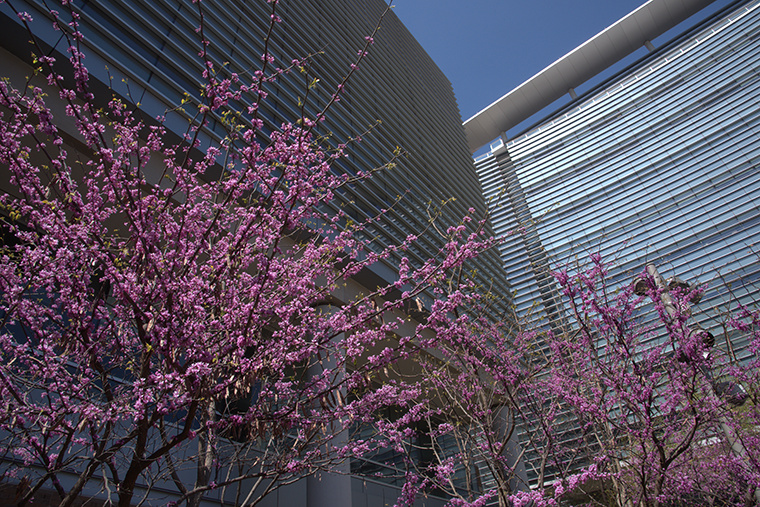
BJC Institute of Health
The Steven & Susan Lipstein BJC Institute of Health (BJCIH) at WashU Medicine is an 11-story, 680,000-square-foot research facility that opened in 2009 as the university’s largest building. Supported by a $30 million naming gift from BJC HealthCare, the $235 million institute houses advanced laboratories and research support spaces and earned LEED Gold certification for its sustainable design. In 2021, Washington University announced a six-floor expansion adding 160,000 square feet of state-of-the-art lab space, including a high-containment BSL-3 laboratory for research on dangerous pathogens. The building faces the Ellen S. Clark Hope Plaza, a serene space designed by artist Maya Lin to honor Ellen Clark.
Bridge at WashU
An LGBTQA affinity group for Washington University in St. Louis faculty and staff. BRIDGE: Bravery, Responsibility, Inclusion, Dignity, Guidance, and Empowerment.
Brossier Lab
Nicole M. Brossier, MD, PhD
Division of Hematology & Oncology
Exploring genetic, environmental and developmental influences on glioma formation and cognitive impairment, our lab investigates how these factors shape risk in patients with Neurofibromatosis Type 1 and the broader pediatric population. Using murine models as a platform, we aim to uncover mechanisms driving tumor development and neurodevelopmental changes, identify new strategies for patient risk assessment and discover therapeutic targets. Through this work, we strive to transform understanding and improve outcomes for children affected by NF1 and related conditions.
Bubeck-Wardenburg Lab
Juliane Bubeck-Wardenburg, MD, PhD
Division of Critical Care Medicine
Driving innovative approaches to combat infectious diseases by advancing the understanding of host-pathogen interactions, our lab is dedicated to uncovering how bacteria interact with the host, evade immune defenses and develop antibiotic resistance. Through an interdisciplinary team blending molecular microbiology, immunology and genetic analysis, we aim to identify new therapeutic targets and strategies that address some of the most pressing global health challenges.
Cardiac Neurosciences Group
Cynthia M. Ortinau, MD, MSCI
Division of Newborn Medicine
Unlocking pathways to improve brain health in children with congenital heart disease, our lab uses advanced MRI techniques to study brain development, injury and neurodevelopmental outcomes. Congenital heart disease — the most common birth defect — is linked to high rates of cognitive and behavioral challenges that begin prenatally. By investigating brain dysmaturation in relation to cardiac physiology, prenatal environment and social factors, we aim to identify targeted neuroprotective strategies that enhance outcomes throughout childhood and beyond.
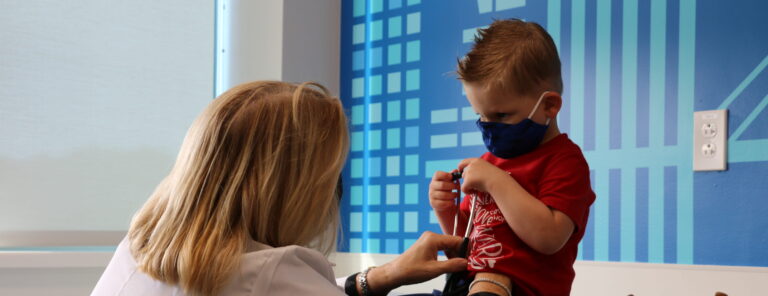
Cardiology
Delivering expert care for congenital and acquired heart conditions
Drawing on decades of experience and innovation, we provide comprehensive diagnostic and therapeutic services for children with heart disease and adults with congenital heart conditions. Our team combines advanced clinical care with groundbreaking research and specialized training to improve outcomes and support families through every stage of care.
Cardiology
Delivering advanced heart care with compassion and expertise our team at St. Louis Children’s Hospital provides comprehensive services for infants and children with heart conditions. From diagnostic evaluations to complex interventions, we combine leading-edge treatments with a commitment to supporting families throughout their care experience.
Cardiology Fellowship
Division of Cardiology
Preparing fellows to become skilled pediatric cardiologists, this ACGME-accredited program trains physicians to independently supervise the diagnosis and care of infants, children and young adults with all forms of congenital and acquired cardiac disease. Most fellows complete two years of clinical rotations followed by one year dedicated to research and electives. The program offers three positions annually.